How Japanese mountain huts work: booking, prices, meals and the unwritten rules
Japan has around 1,500 staffed mountain huts (山小屋, yamagoya), and they are what make multi-day hiking here possible without carrying a tent. A night costs ¥10,000–15,000 with two meals, you sleep on a futon in a shared room, dinner is at 17:00, lights go out by 21:00, and the whole thing runs on cash. The hard part for visitors is not the stay but the booking, because many huts still take reservations only by phone, in Japanese. Here is how the system works, hut by hut.
What you get
| Option | Price per night | What is included |
|---|---|---|
| Futon, two meals (二食付き, nishoku-tsuki) | ¥12,000–16,000 | Dinner, breakfast, a futon or bunk in a shared room, blankets |
| Futon, no meals (素泊まり, sudomari) | ¥8,000–11,000 | Futon and a space to eat your own food. Boiling water usually available |
| Tent site (テント場, tenba) | ¥1,000–3,000 per person | A pitch and use of the hut toilet. Some huts sell dinner to campers if asked at check-in |
| Breakfast as a boxed lunch (弁当) | +¥1,000–1,500 | Ask at check-in if you leave before breakfast is served |
Prices rose noticeably in 2024–2026; the big Northern Alps huts (Yarigatake Sanso, Hotaka-dake Sanso, Karasawa Hutte) are now around ¥15,000–17,000 with meals. Fuji huts are similar in summer. Smaller huts in Tohoku, Kyushu or the Chichibu hills are closer to ¥8,000–10,000.
Private rooms exist at some large huts for ¥5,000–10,000 extra per person and are the first thing to sell out.
Booking
Three situations, from easiest to hardest:
- Online in English. A growing number of popular huts use a booking system with an English interface: most Fuji huts, Yarigatake Sanso group huts, Hotaka-dake Sanso, the Karasawa huts, many Tateyama huts, and the Kamikochi lodges. Search the hut name plus “reservation” and look for an official site; bookings open in spring (Fuji huts in May) and summer weekends fill fast.
- Online in Japanese only. Use your browser’s translate function. The forms ask for name, number of people, date, meals yes/no, and a Japanese phone number — enter your hotel’s number if you have no local SIM, and say so in the remarks box (備考).
- Phone only. Still the case for many huts outside the Alps. Call between 09:00 and 16:00 Japan time, say “Yoyaku onegaishimasu” (I’d like to reserve), then the date and number of people in simple terms: “Hachigatsu tōka, futari, nishoku-tsuki” (10 August, two people, two meals). Have a Japanese speaker call for you if you can; hotel front desks and tourist information centres will often do it.
Unlike European Alpine huts, walk-in without a booking is not expected at most Japanese huts in season, and some now refuse unbooked guests. Huts on Fuji and in Kamikochi are strict about this because the gate and bus systems check for bookings. Note also that a cancellation fee is normal: 20–50% within a few days, 100% on the day.
Arrival: the 15:00 rule
Huts expect you by 15:00 and consider arrival after 16:00 a problem, partly for safety (afternoon thunderstorms, fading light) and partly because dinner is cooked for a headcount. If you will be late, call. Plan your day with the course time calculator using the hut pack factor, and make the hut your 15:00 target rather than the summit.
At the door:
- Boots off. Leave them in the entrance (玄関, genkan) and use the hut slippers. Take your boots into the drying room if there is one.
- Check-in at the counter: name, confirm meals, pay in cash. You get a card with your room and bed number and your dinner sitting.
- Wet gear goes in the drying room (乾燥室), never in the sleeping room.
- Fill in your next day’s route on the register if asked; that is the hut’s version of a climbing plan.
Inside
Sleeping rooms are shared, with futons laid side by side on tatami or wooden platforms. Since 2020 most huts cap numbers so that each person gets a full futon; before that, “one futon per two people” on peak weekends was real. Large huts have curtained bunks. Earplugs and an eye mask are the two most valuable items in your pack.
Dinner is served in one or two sittings from about 17:00. Expect rice, miso soup, a main (curry, hamburg steak, grilled fish, tempura) and pickles, eaten quickly. Vegetarian and allergen requests are rarely accommodated at the hut; say so at booking, bring your own food if it matters, and book sudomari instead. Breakfast is at 05:00–06:00, or a bento you collect the night before.
Lights out is 20:30–21:00 and non-negotiable. Hikers leave from 04:00, and the sound of packing starts then, which is why you pack the night before. Charging phones is possible at some huts for ¥100–300; a power bank is the safer plan.
Water is the thing that surprises visitors. In the Northern Alps and on Fuji, water is carried or pumped up and sold at ¥100–300 per litre, sometimes limited to bottles. Huts in the Southern Alps and Chichibu usually have free spring water. Check the water calculator against the day’s hours and buy what you need the night before.
Toilets are clean, and composting or bio-toilets are now standard in the Alps. Expect a ¥100–200 donation box per use at huts and at unstaffed toilets along the trail. Carry coins; a day in the Alps uses ¥500–1,000 in toilet money.
Tent sites
The tenba is beside or below the hut, registration and payment are at the hut counter, and popular sites (Karasawa, Tokusawa, the Fuji-area campsites, Kumanodaira) now require a reservation in July–September. Sites are first-come on the ground: arrive by early afternoon for flat pitches. Cooking is on your own stove; open fires are prohibited everywhere in the Alps. Campers may use the hut toilet and buy water and drinks, but not the drying room or dining room unless invited.
Unstaffed huts
Avalanche shelters and emergency huts (避難小屋, hinan-goya) are free, unstaffed and unheated, with a wooden floor and sometimes a toilet. In the Tohoku ranges and on some Chichibu and Okutama routes they are the only roof for a day’s walk. Treat them as a tent without the tent: sleeping bag, mat, stove, water, and a donation in the box if there is one.
A short vocabulary
| Japanese | Reading | Meaning |
|---|---|---|
| 山小屋 | yamagoya | mountain hut |
| 予約 | yoyaku | reservation |
| 二食付き | nishoku-tsuki | with dinner and breakfast |
| 素泊まり | sudomari | no meals |
| 弁当 | bentō | boxed meal |
| テント場 | tenba | tent site |
| 乾燥室 | kansōshitsu | drying room |
| 消灯 | shōtō | lights out |
| 水場 | mizuba | water source |
Where the system is at its best
- Kamikochi → Karasawa → Hotaka: Tokusawa and Yokoo lodges on the valley floor, then Karasawa Hutte and Karasawa Goya in the cirque at 2,300 m, then Hotaka-dake Sanso on the ridge. All take online bookings.
- Murodo (Tateyama): a dozen huts and lodges within an hour of the bus terminal, the easiest hut experience in Japan for a first night at altitude.
- Mt. Fuji: the 7th and 8th-station huts on the Yoshida Trail, booked online in English.
- Yatsugatake: huts a short walk apart, year-round openings, and a long tradition of welcoming beginners.
Keep your pack to a hut load with the pack weight calculator: with meals and bedding provided, 7–10 kg is plenty, and the stairs to the 8th station are a lot nicer that way.
Recommended gear

キャラバン|C1_02S
¥15,840 Rakuten price (2026-11-02)★ 4.71 (77)
Japan’s best-selling first hiking boot for 30 years: a wide last that fits most feet, mid-cut ankle support, Gore-Tex, and a sole stiff enough for the Alps in summer.
Best for: First boot; day hikes up to 2,000 m peaks
Weight about 590 g (one boot, 26 cm) Cut Mid Waterproof Gore-Tex Sizes 22.5–30 cm, 3E width 
ペツル|Actik Core
¥12,177 Rakuten price (2026-11-02)★ 5 (1)
600 lumens, runs on the included rechargeable or on AAA batteries, so a late descent never means a dead light. Red mode for huts.
Best for: A first headlamp you keep for years
Output up to 600 lm Power CORE rechargeable + 3×AAA Weight 88 g Rating IPX4 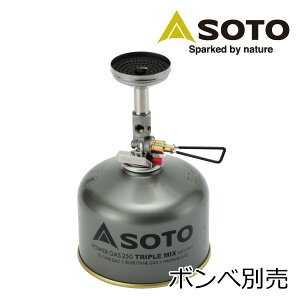
SOTO|WindMaster SOD-310
¥9,350 Rakuten price (2026-11-02)★ 5 (8)
A recessed burner head that keeps boiling in ridge wind, a regulator for cold mornings, 67 g. The stove Japanese hikers recommend most for boil-only trips.
Best for: Boil-water hiking; wind and cold
Weight 67 g Output 2,800 kcal/h Ignition Piezo Fuel OD (threaded) canisters
Prices are 2026 guides.